How Anti Vibration Rubber Mounts Enhance Noise Control in Marine Applications
Understanding Vibration and Noise in Marine Applications
The Nature of Vibration in Marine Environments
Vibration in marine environments arises from various sources, including engines, generators, and other machinery. The nature of these vibrations varies widely based on the frequency and amplitude, influenced by the operational conditions of the vessel. Vibration can cause significant discomfort for crew members and passengers and can lead to machinery wear and tear. Understanding the characteristics of vibration is crucial for effective noise control. Marine environments often amplify these vibrations due to the confined space and the vessel's movement on water, necessitating the need for effective anti vibration rubber mounts to mitigate their impact.
Impact of Noise Pollution on Marine Life
Noise pollution poses a serious threat to marine life. The sounds generated by ships and marine machinery disrupt communication among marine species, affecting their mating, feeding, and navigation. High-frequency noises can lead to stress and disorientation in marine animals, particularly in species that rely on echolocation, such as dolphins anti vibration mounts and whales. Implementing effective noise control measures, including the use of anti vibration rubber mounts, can significantly reduce this pollution, promoting a healthier marine ecosystem. By isolating vibrations that generate noise, these mounts can enhance the overall acoustic environment in marine settings.
Key Sources of Vibration in Marine Machinery
Marine machinery includes a variety of equipment that generates vibrations, such as engines, generators, and compressors. Each of these machines operates at different frequencies and produces distinct vibration patterns. For instance, engines typically generate low-frequency vibrations, while generators may produce higher frequencies. Other sources include HVAC systems and transformers, which contribute to the overall noise and vibration levels onboard. Recognizing these sources enables shipbuilders and operators to implement targeted vibration control strategies, including the installation of anti vibration rubber mounts, to enhance comfort and protect equipment.
The Role of Anti Vibration Rubber Mounts in Noise Control
Mechanics of Vibration Isolation
Anti vibration rubber mounts function through the principles of vibration isolation. They absorb and dampen vibrations generated by machinery, preventing them from transferring to the vessel structure. When machinery operates, it creates dynamic forces that lead to vibrations. These mounts decouple the machinery from the structure, allowing for greater vibration reduction. The elastomeric properties of the rubber allow for flexibility, effectively absorbing shock and minimizing noise. By strategically placing these mounts, ship operators can significantly enhance both noise control and the longevity of equipment, creating a more comfortable environment for both crew and passengers.
Types of Anti Vibration Rubber Mounts
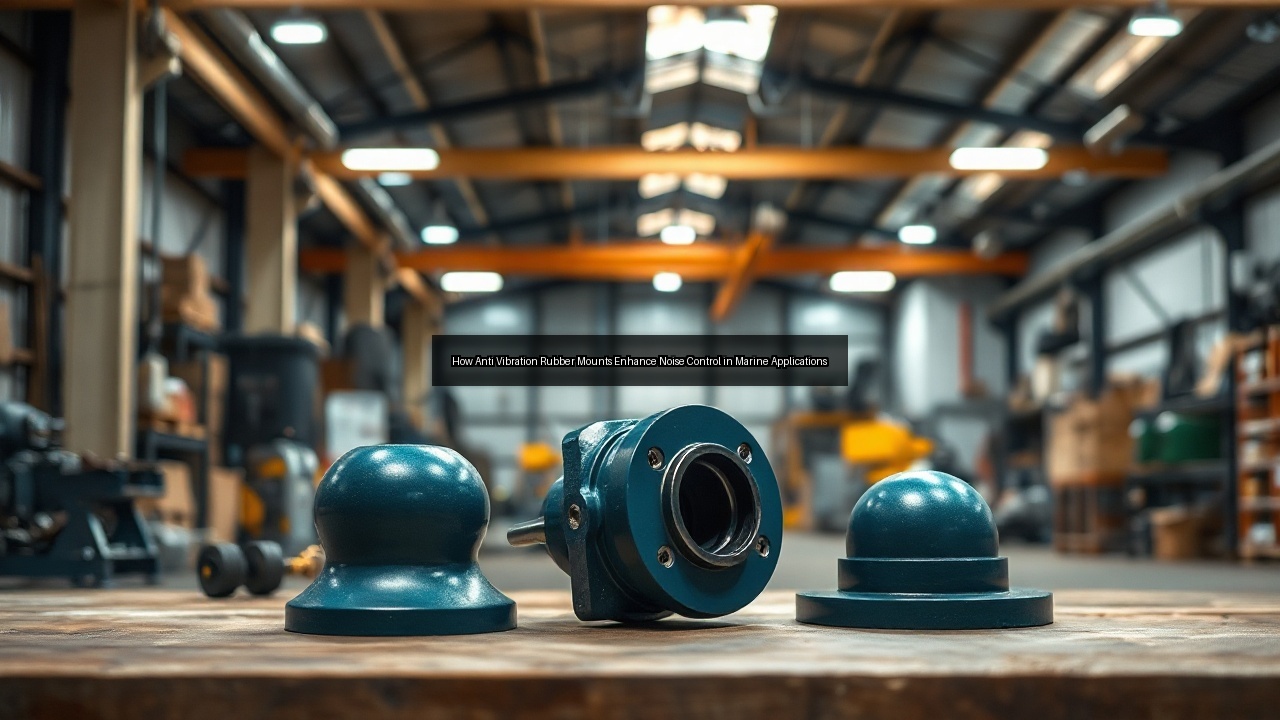
Various types of anti vibration rubber mounts exist, each tailored for specific applications and machinery types. Common variants include cone mounts, bumper mounts, and cylindrical mounts. Cone mounts offer excellent vibration isolation due to their unique shape, making them suitable for heavy machinery. Bumper mounts provide additional cushioning, ideal for applications requiring extra shock absorption. Cylindrical mounts are versatile and widely used in HVAC systems and generators, effectively reducing noise and vibration across different frequencies. Selecting the appropriate type of mount is vital for achieving optimal vibration control and enhancing machinery performance in marine applications.
Comparison of Natural Rubber and Neoprene in Marine Applications
Natural rubber and neoprene are two commonly used materials in the manufacturing of anti vibration rubber mounts. Natural rubber provides excellent elasticity and vibration damping capabilities, making it ideal for a range of marine applications. However, it tends to degrade under UV exposure and extreme environmental conditions. Neoprene, on the other hand, offers superior resistance to oil, chemicals, and temperature fluctuations. This resilience makes neoprene rubber mounts a preferred choice in harsher marine environments where exposure to elements is a concern. The choice between these materials often depends on specific application requirements, environmental exposure, and desired longevity of the mounts.
Applications of Anti Vibration Rubber Mounts in Marine Machinery
Use in Generators and Compressors
Generators and compressors represent critical components of marine machinery, providing essential power and air conditioning services. However, these machines generate significant vibrations that can propagate throughout the vessel. Installing anti vibration rubber mounts effectively isolates these vibrations, ensuring minimal transmission to the ship's structure. This installation not only reduces noise but also enhances the operational efficiency of the machinery. By mitigating vibrations, rubber mounts help prolong the lifespan of generators and compressors, reducing maintenance needs and operational costs while promoting a quieter onboard environment.
Integration with HVAC Systems
Marine HVAC systems require careful consideration in design and installation due to their dual role in maintaining comfort and managing noise. Anti vibration rubber mounts play a crucial role in these systems by isolating components such as fans and compressors from the ship’s structure. This isolation prevents vibrations from traveling through the ductwork and into the living spaces, effectively controlling noise levels. Moreover, the use of rubber mounts improves the overall efficiency of HVAC systems, allowing for quieter operation while ensuring optimal air circulation throughout the vessel.
Role in Supporting Transformers and Other Equipment
Transformers and various auxiliary equipment onboard ships also contribute to vibration and noise concerns. Anti vibration rubber mounts provide essential support for these heavy components, minimizing vibrations that may lead to equipment failure. The strategic placement of rubber mounts helps stabilize transformers, preventing them from shifting during operation and reducing noise generation. By incorporating these mounts, ship operators can achieve significant vibration control, ensuring that all machinery operates smoothly and quietly, thereby enhancing crew comfort and equipment longevity.
Choosing the Right Anti Vibration Rubber Mounts
Factors Influencing Selection: Stiffness, Diameter, and Height
Selecting the appropriate anti vibration rubber mounts involves considering several critical factors, including stiffness, diameter, and height. Stiffness affects the mount’s ability to absorb vibrations; softer mounts provide better isolation for low-frequency vibrations, while stiffer mounts are suitable for higher frequencies. Diameter and height also play a role in the mount's load-bearing capacity and overall performance. Properly sizing these mounts ensures they can handle the specific loads and vibrations generated by the machinery, ultimately enhancing the effectiveness of vibration isolation and noise control.
Installation Considerations for Optimal Vibration Damping
Correct installation of anti vibration rubber mounts is essential for achieving optimal vibration damping. Proper alignment and secure attachment to both the machinery and the structure prevent unwanted movement that can compromise their effectiveness. Additionally, the installation surface must be clean and free from debris to ensure maximum contact area and adhesion. Consulting manufacturer guidelines during installation can provide insights into torque specifications and mounting techniques that optimize performance. Regular inspections and adjustments after installation can also help maintain the effectiveness of the mounts over time, ensuring ongoing noise control and vibration reduction.
Maintenance and Longevity of Rubber Mounts
Maintaining anti vibration rubber mounts is crucial for their longevity and performance. Regular inspections for signs of wear, such as cracks or degradation, can help identify potential issues before they lead to failure. Environmental factors like exposure to saltwater, chemicals, and UV light can accelerate wear, necessitating periodic replacements. Proper cleaning of the mounts also contributes to their lifespan, as accumulated dirt and debris can hinder performance. By implementing a proactive maintenance strategy, ship operators can ensure that their anti vibration rubber mounts continue to provide effective vibration control and noise reduction throughout their operational life.
See Also
- Choosing the Right Anti Vibration Mount for Your Industrial Needs
- Why Every Transformer Needs Effective Vibration Isolation Solutions
- Why Every Construction Site Needs Quality Anti Vibration Rubber Mounts
- Innovative Vibration Control Strategies for Modern HVAC Systems
- The Connection Between Vibration and Equipment Longevity