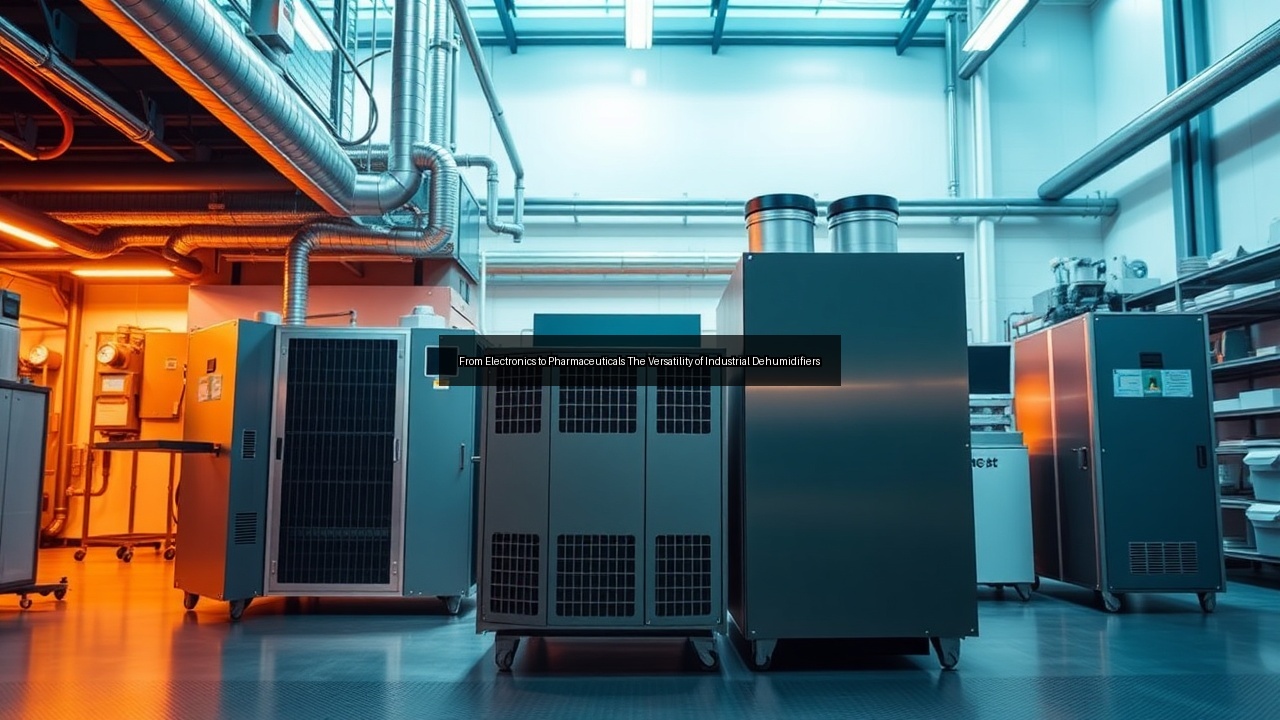
From Electronics to Pharmaceuticals The Versatility of Industrial Dehumidifiers
Understanding Industrial Dehumidifiers and Their Functionality
The Science of Dehumidification: How It Works
Dehumidification is the process of reducing the level of humidity in the air. Industrial dehumidifiers play a crucial role in this process, utilizing various technologies to extract excess moisture. The most common method involves cooling the air, causing moisture to condense into water droplets that can be collected and removed. This process not only controls humidity but also prevents mold growth, corrosion, and damage to sensitive materials. Understanding the science behind industrial dehumidifiers helps industries implement effective climate control strategies, ultimately enhancing productivity and product quality.
Key Components of Industrial Dehumidifiers: Blowers and CFM
Industrial dehumidifiers consist of several key components that work together to ensure efficient operation. One of the most critical elements is the blower, which circulates air through the system. The blower's capacity is measured in Cubic Feet per Minute (CFM), indicating how much air the dehumidifier can process within a given time frame. A higher CFM means faster dehumidification and improved climate control. Selecting the appropriate blower and ensuring it operates efficiently are essential for achieving optimal humidity levels in industrial settings.
Types of Industrial Dehumidifiers: Refrigerant vs. Desiccant
Two primary types of industrial dehumidifiers dominate the market: refrigerant and desiccant. Refrigerant dehumidifiers use a cooling process to condense moisture from the air, making them effective in environments where temperatures are relatively high. Conversely, desiccant dehumidifiers utilize materials that absorb moisture from the air, functioning well in lower temperatures or where very low humidity levels are necessary. Each type serves distinct purposes, and industries must carefully evaluate their specific needs when choosing the right industrial dehumidifier to ensure optimal performance.
Applications of Industrial Dehumidifiers Across Various Industries
Electronics: Maintaining Optimal Humidity Levels
The electronics industry relies heavily on controlled environments to ensure product integrity. High humidity levels can lead to moisture-related issues, such as corrosion and short circuits in sensitive electronic components. Industrial dehumidifiers help maintain optimal humidity levels, safeguarding valuable equipment and enhancing the reliability and longevity of electronic products. By investing in robust dehumidifying solutions, electronics manufacturers can minimize manufacturing defects and ensure that their products meet stringent quality standards.
Pharmaceutical Industry: Ensuring Product Integrity
In the pharmaceutical industry, maintaining the right climate is essential for product integrity and efficacy. High humidity can adversely affect the stability of medications, leading to reduced effectiveness and potential safety concerns. Industrial dehumidifiers play a vital role in pharmaceutical manufacturing and storage, ensuring that humidity levels remain within specified limits. This not only protects the integrity of the drugs but also complies with regulatory standards. Implementing effective dehumidification strategies in this sector is crucial for ensuring patient safety and maintaining a competitive edge.
Food Packaging: Extending Shelf Life and Quality
Humidity control significantly impacts the food packaging industry. Excess moisture can lead to spoilage, mold growth, and compromised product quality. Industrial dehumidifiers help extend the shelf life of packaged food by maintaining optimal humidity levels during storage and processing. They prevent moisture-related issues that can affect taste, texture, and safety. By integrating dehumidifiers into their operations, food manufacturers and packagers can enhance product quality and customer satisfaction while minimizing waste and economic losses.
The Importance of Climate Control in Industrial Settings
Impact of Air Moisture on Production Processes
Air moisture levels directly influence production processes across various industries. High humidity can hinder machinery performance, lead to material degradation, and increase the risk of accidents due to slippery surfaces. Conversely, excessively low humidity can cause static electricity build-up, potentially damaging sensitive equipment and products. Implementing effective climate control measures, including industrial dehumidifiers, mitigates these risks and fosters a safer, more efficient working environment. Proper humidity management ensures that production runs smoothly and products meet quality standards.
Understanding Dew Points and Their Relevance
Dew point is a critical concept in climate control, representing the temperature at which air becomes saturated with moisture. When air cools to its dew point, condensation occurs, which can lead to moisture-related issues in industrial settings. Understanding and monitoring dew points allow industries to maintain appropriate humidity levels and prevent condensation on surfaces. By incorporating industrial dehumidifiers into their climate control strategies, businesses can effectively manage dew points, ensuring that their operations remain efficient and their products are protected from moisture damage.
Integrating Industrial Dehumidifiers with HVAC Systems
Integrating industrial dehumidifiers with existing industrial-grade dehumidifers HVAC systems enhances overall climate control and improves efficiency. A well-designed system allows for seamless operation, where the dehumidifier complements the heating, ventilation, and air conditioning functions. This integration ensures that temperature and humidity levels remain consistent, creating a comfortable and productive environment for employees while safeguarding valuable materials. Regular maintenance and proper sizing of the dehumidifier for industrial locations ensure optimal performance and energy efficiency, ultimately reducing operational costs.
Troubleshooting and Maintenance of Industrial Dehumidifiers
Common Issues and Their Solutions
Industrial dehumidifiers, like any machinery, may encounter issues over time. Common problems include reduced airflow, inconsistent humidity levels, and unusual noises. Reduced airflow can stem from clogged filters or a malfunctioning blower, requiring immediate attention to maintain efficiency. Inconsistent humidity levels may indicate a need for recalibration or a check on the unit's capacity. Addressing these issues promptly ensures that the dehumidifier operates effectively, preventing further complications and maintaining optimal climate control.
Best Practices for Regular Maintenance
Regular maintenance is crucial for the longevity and efficiency of industrial dehumidifiers. Implementing a routine inspection schedule helps identify potential issues before they escalate. Key maintenance tasks include cleaning or replacing filters, checking for refrigerant leaks, and ensuring that the blower operates at optimal CFM levels. Additionally, monitoring humidity levels and the unit's performance can provide valuable insights into its operational efficiency. Following these best practices not only prolongs the life of the dehumidifier but also ensures consistent climate control across industrial settings.
When to Seek Professional Help
While routine maintenance can address many issues, some situations require professional intervention. If a dehumidifier exhibits persistent problems despite regular upkeep, such as frequent breakdowns or inadequate humidity control, it's time to consult a technician. Professionals possess the expertise to diagnose complex issues, perform thorough repairs, and optimize the unit's performance. Investing in professional help ensures that industrial dehumidifiers function effectively, safeguarding products and processes while supporting overall operational efficiency.