Revolutionizing the Oil and Gas Industry with Advanced Skid Fabrication Techniques
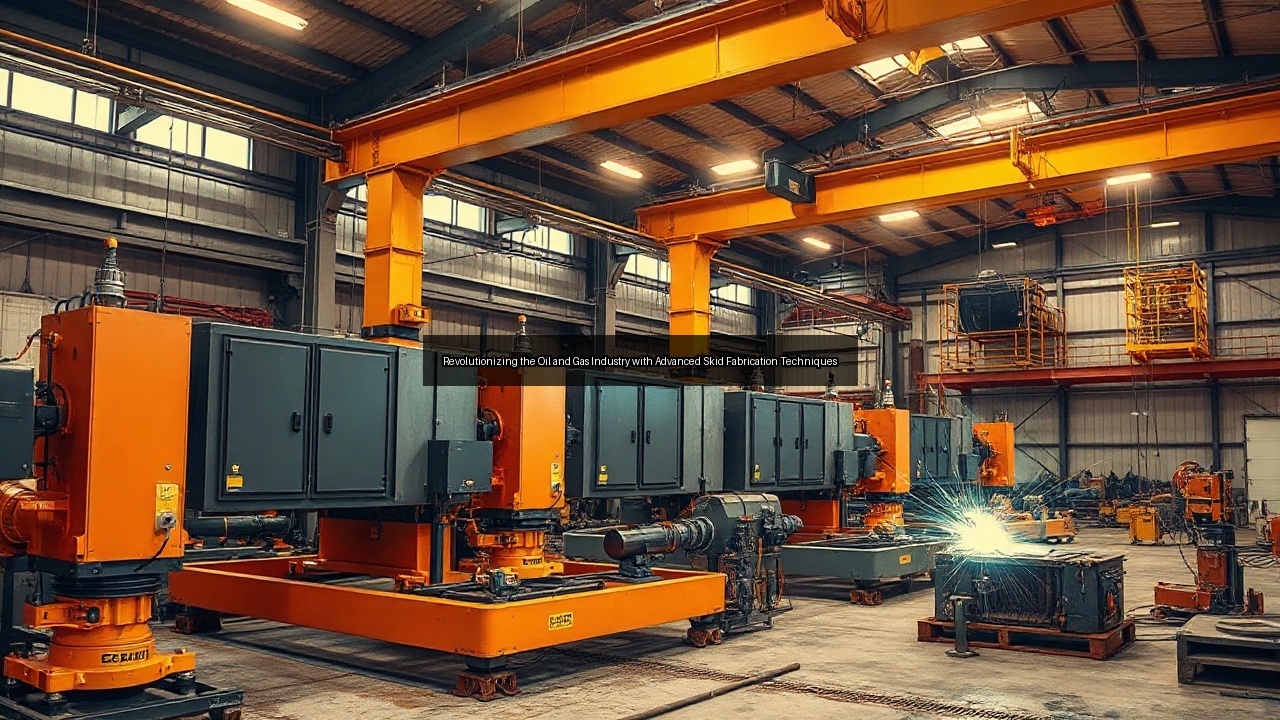
Understanding Modular Process Skids in Oil and Gas
What are Modular Process Skids?
Modular process skids serve as pre-assembled, self-contained units designed for various applications within the oil and gas industry. These skids include all necessary components, such as pumps, valves, separators, and instrumentation, creating a complete system that can skid fabrication shop be easily transported and installed. The modular approach allows for rapid deployment and scalability in operations, making them ideal for both onshore and offshore projects. By integrating multiple functions into a single unit, modular skids simplify the construction and commissioning processes, minimizing disruption at the installation site and reducing overall project timelines.
Advantages of Modular Process Systems in the Industry
Modular process systems offer numerous advantages that significantly impact operational efficiency in the oil and gas sector. First, they enhance flexibility, enabling quick adjustments to production levels or modifications to existing systems. This adaptability is crucial in an industry characterized by fluctuating demands and evolving technologies. Second, modular skids streamline logistics by reducing the complexity of transporting and assembling equipment on-site. The pre-fabricated nature of these systems cuts down on labor costs and construction time, allowing companies to respond swiftly to market changes. Third, improved safety is a notable benefit; by minimizing on-site assembly, companies reduce the risks associated with construction activities, which leads to a safer working environment skid fabrication shop for employees.
Key Components of a Modular Skid
A modular skid comprises several key components that work in harmony to ensure optimal performance. These may include process equipment, like heat exchangers and reactors, which perform specific functions within the oil and gas processing chain. Additionally, the inclusion of pumps and compressors facilitates the movement of fluids, maintaining necessary flow rates and pressures. Instrumentation and control systems provide real-time monitoring and automation capabilities, enhancing operational efficiency and safety. Furthermore, structural supports and frames are essential for housing these components, ensuring durability and stability during operation. Manufacturers design each component with precision, utilizing high-quality materials, such as alloys, to withstand the harsh conditions often encountered in oil and gas environments.
Advanced Skid Fabrication Techniques
Innovative Design Approaches
Advanced skid fabrication techniques employ innovative design approaches that significantly enhance functionality and efficiency. Modern design methodologies utilize computer-aided design (CAD) software to create detailed schematics and 3D models of modular skids. This technology allows engineers to visualize the entire system, optimize layouts, and identify potential issues before fabrication begins. Techniques such as modularization and prefabrication further streamline the process, enabling companies to produce skids that meet specific operational requirements while adhering to strict timelines. Designing for manufacturability and assembly ensures that each skid can be constructed efficiently, reducing costs and minimizing waste. The ability to customize designs based on client specifications positions manufacturers as industry leaders in skid fabrication.
Modern Welding Technologies
Modern welding technologies play a crucial role in the skid fabrication process, ensuring strong, reliable connections between components. Techniques such as automated welding and robotic welding have revolutionized fabrication, enhancing precision and consistency. These advanced methods reduce the likelihood of human error, resulting in superior weld quality and structural integrity. Additionally, manufacturers often use alloy materials known for their strength and resistance to corrosion, ensuring the long-term durability of the skids. Implementing non-destructive testing methods during the welding process further guarantees that each weld meets industry standards for safety and quality. These innovations not only improve the performance of modular skids but also enhance the overall reliability of oil and gas operations.
Machining Processes for Enhanced Quality
Machining processes are integral to achieving the high-quality standards required in skid fabrication. Precision machining techniques, such as CNC (computer numerical control) machining, allow for the accurate shaping of various components, ensuring they fit together seamlessly. This level of precision minimizes the risk of leaks or failures during operation. Additionally, manufacturers can implement surface treatments and coatings to improve resistance to wear and corrosion, extending the lifespan of the skids. By integrating advanced machining processes into the fabrication workflow, companies enhance the overall quality of their modular skids, ultimately leading to improved performance and reduced maintenance costs in the field.
Quality Control and Assurance in Skid Fabrication
Implementing Quality Management Systems
Quality management systems (QMS) serve as the backbone of effective skid fabrication, ensuring that every component and process meets stringent industry standards. Implementing a robust QMS involves establishing clear procedures and protocols for each stage of the fabrication process, from design and material selection to final inspection. Regular audits and assessments help identify areas for improvement, fostering a culture of continuous enhancement within fabrication facilities. By adhering to international quality standards, manufacturers can ensure that their modular skids not only meet client expectations but also comply with safety and environmental regulations prevalent in the oil and gas industry.
The Role of Quality Assurance in Fabrication
Quality assurance (QA) plays a critical role in maintaining the integrity of skid fabrication processes. QA encompasses various activities, including the evaluation of raw materials, monitoring of fabrication processes, and conducting final inspections of completed skids. This systematic approach ensures that all components function as intended and meet specified performance criteria. Additionally, QA personnel often perform testing under simulated operational conditions to validate the reliability and safety of the skids before they leave the fabrication shop. By prioritizing quality assurance, companies not only enhance their reputation in the industry but also reduce the likelihood of costly downtime or failures in the field.
Safety Standards and Risk Management in Fabrication
Safety standards and risk management are paramount in skid fabrication, particularly given the hazardous nature of the oil and gas industry. Manufacturers must comply with various regulations and guidelines that govern processes, materials, and employee safety. Implementing comprehensive safety training programs ensures that all personnel understand the risks involved and follow best practices throughout the fabrication process. Additionally, regular safety audits help identify potential hazards, allowing companies to proactively address them before they lead to incidents. By embedding safety into the fabric of their operations, skid fabricators protect their workforce and maintain operational continuity.
Choosing the Right Skid Fabrication Company
Factors to Consider When Selecting a Fabricator
Choosing the right skid fabrication company involves evaluating several critical factors to ensure optimal results. First, consider the company’s experience and expertise in the oil and gas industry. A seasoned manufacturer will likely have a proven track record of delivering high-quality modular skids tailored to specific client needs. Next, assess the company’s fabrication capabilities, including available technologies and equipment. Advanced welding and machining technologies can significantly impact the quality and reliability of the final product. Additionally, review client testimonials and case studies to gauge satisfaction levels and previous success stories. A reputable fabricator will be transparent about their processes and willing to provide references.
Licensing and Compliance in Skid Fabrication
Licensing and compliance are vital components of choosing a skid fabrication company. Ensure that the fabricator holds all necessary licenses and certifications required for operating within the oil and gas sector. Compliance with industry standards not only reflects the company’s commitment to quality but also assures clients of their adherence to safety regulations. Companies should also stay current with evolving compliance requirements, which may vary by region and project type. A fabricator that prioritizes licensing and compliance demonstrates professionalism and instills confidence in their ability to deliver reliable modular skids.
Cost Implications of Custom Skid Fabrication
Cost implications play a significant role in the decision-making process for custom skid fabrication. While it may be tempting to choose the lowest bidder, it’s essential to consider the long-term value and reliability of the skids produced. High-quality materials, advanced technologies, and skilled labor often come at a premium but result in superior performance and durability. Companies should request detailed quotes from multiple fabricators, breaking down costs to understand where expenses arise. Additionally, consider the potential cost savings associated with reduced maintenance and downtime when skid fabrication shop selecting a fabricator. Investing in quality upfront can lead to significant returns over the lifespan of the modular skid.
See Also
- The Art of Custom Skid Fabrication for Unique Industrial Needs
- Machining Techniques That Enhance Skid Fabrication Efficiency
- A Deep Dive into Skid Fabrication Welding Best Practices
- How to Ensure Quality Assurance in Skid Fabrication Projects
- Risk Management Strategies in Skid Fabrication for the Oil Industry