Transforming Spas with Effective Humidity Control Using Dehumidification
Understanding the Importance of Humidity Control in Spas
The Impact of Humidity on Spa Environment
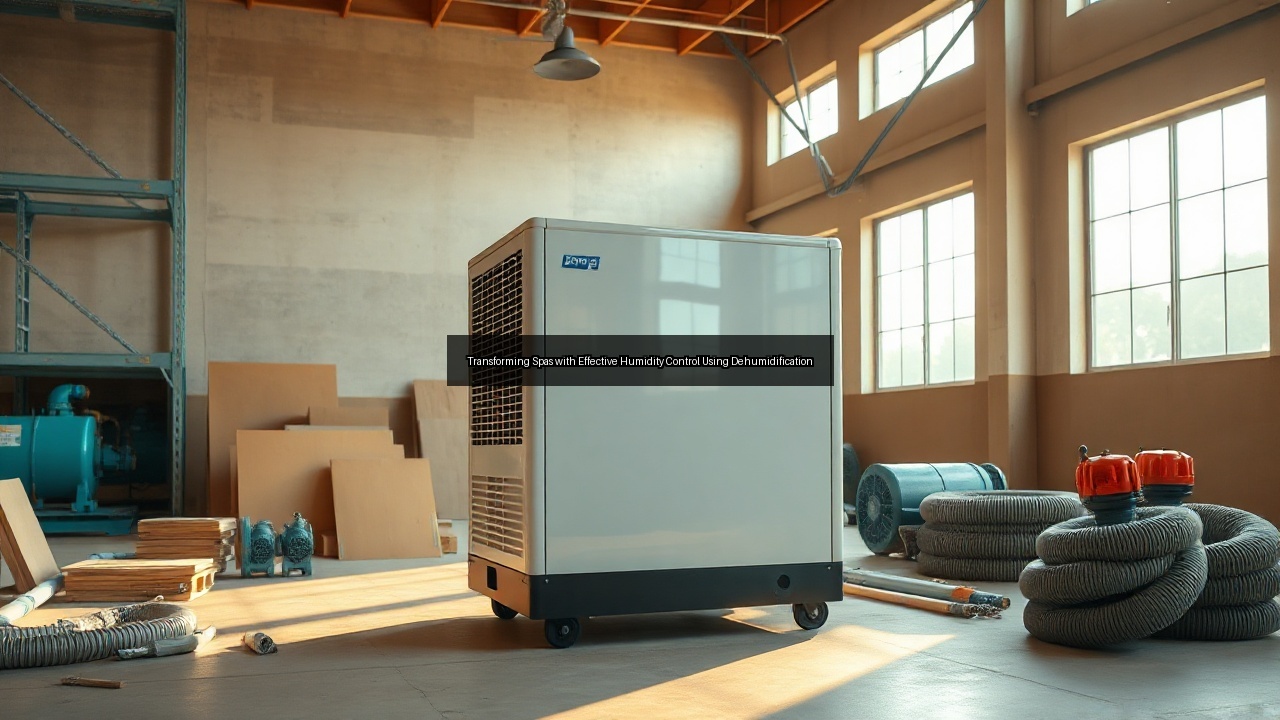
Excess moisture from steam rooms and water features quickly saturates the air in any spa. This saturation leads to warped wood, peeling paint, and corroded fixtures that shorten the life of the facility. Operators who install a commercial dehumidifier remove dozens of pints of water each day and keep surfaces dry. The unit pulls humid air across coils, condenses the moisture, and returns dehumidified air that feels crisp. Consistent humidity control also reduces odors that linger when dampness remains trapped in corners. Spas that ignore these conditions face higher repair costs and frequent closures for remediation.
How Humidity Affects Comfort and Relaxation
Guests notice sticky air the moment they enter a poorly controlled spa. High humidity prevents sweat from evaporating, so the body overheats instead of cooling down. A properly sized commercial dehumidifier lowers the moisture load and lets the temperature feel several degrees cooler without extra energy use. Air flow from the unit circulates evenly, eliminating hot pockets near saunas or hot tubs. Guests stay longer and return more often when the environment supports true relaxation rather than discomfort. Staff members also report fewer complaints about muggy conditions after the system runs continuously.
The Role of Humidity in Spa Maintenance
Daily cleaning routines become far more effective once humidity stays below 60 percent. Tiles dry faster after mopping, and grout stays free of discoloration. A commercial dehumidifier works alongside existing HVAC systems to prevent condensation on windows and mirrors that would otherwise require constant wiping. Maintenance teams spend less time addressing water stains on ceilings and walls. Over time, this steady moisture removal protects expensive equipment such as pumps and filtration units from corrosion. Spas that adopt proactive humidity control extend the service life of every surface and mechanical component.
Key Components of Effective Dehumidification Systems
Types of Commercial Dehumidifiers
Facilities choose between refrigerant and desiccant commercial dehumidifier models depending on temperature ranges inside the spa. Refrigerant units excel in warmer zones and extract large volumes of water per day. Desiccant units handle cooler environments where standard coils would freeze. Many operators select commercial dehumidifier units mounted on wheels for easy repositioning during busy seasons. Others prefer fixed commercial air dehumidifier cabinets that tie directly into ductwork. Matching the right type to the space prevents short cycling and wasted energy while delivering steady drying performance.
Understanding CFM and Its Importance
CFM ratings tell operators how much air the commercial dehumidifier moves each minute. Higher CFM values cover larger square footage and maintain uniform humidity levels throughout the spa. A unit rated at 500 CFM clears moisture from a medium treatment room faster than a smaller model. Proper CFM also supports even air flow that reaches corners where mold often starts. Technicians calculate the required CFM by measuring the volume of the space and factoring in peak occupancy loads. Selecting a model with adequate CFM avoids the need for multiple smaller dehumidifiers running simultaneously.
Energy Efficiency: Choosing Energy Star Rated Units
Energy Star rated commercial dehumidifiers cut electricity costs while removing the same amount of moisture as standard models. These units use advanced compressors and smart sensors that adjust output based on real-time conditions. Spa owners see lower utility bills because the equipment avoids running at full power during low-demand periods. Rebates from local utilities often offset the initial purchase price of Energy Star commercial dehumidifier units. Over five years, the savings compound and improve the return on investment for the entire dehumidification project.
Installation and Setup of Commercial Dehumidifiers
Site Assessment: Evaluating Space and Construction Needs
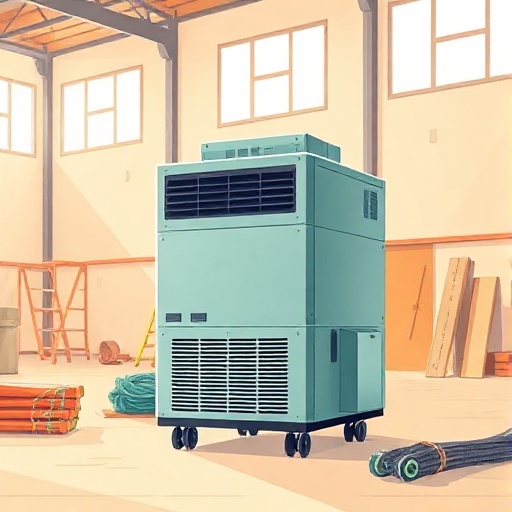
Before any equipment arrives, technicians measure ceiling height, wall materials, and existing duct routes. They check the construction details around hot tubs and steam rooms where moisture concentrates most. The assessment reveals whether the floor can support the weight of a large commercial dehumidifier or if a suspended model works better. Accurate measurements also determine the correct tonnage rating so the unit matches the moisture load without oversizing. Thorough evaluation prevents costly changes after installation begins and ensures the system integrates cleanly with the building layout.
Connecting Pumps and Hoses for Optimal Performance
Many commercial dehumidifier units include a condensate pump that lifts water to a remote drain. Technicians route a sturdy hose from the pump outlet to the nearest floor drain or external discharge point. Secure connections prevent leaks that could damage nearby electrical panels. The hose diameter must match the pump capacity to avoid backups during peak operation. Regular inspection of the pump and hose assembly keeps the system running without interruption. Proper drainage setup allows the commercial dehumidifier to run continuously and maintain target humidity levels around the clock.
Integrating Dehumidifiers with HVAC Systems
Linking the commercial dehumidifier to existing HVAC systems creates a unified climate solution. The dehumidifier preconditions incoming air so the main air handler handles less latent load. Coordinated controls prevent both systems from fighting each other over temperature and moisture setpoints. Technicians install dampers and sensors that balance air flow between the two pieces of equipment. This integration delivers consistent conditions across the entire spa while lowering overall energy consumption. Guests experience steady comfort without noticeable temperature swings.
Managing Moisture Levels: Techniques and Best Practices
Setting Ideal Temperature and Humidity Levels
Most spas target 50 to 55 percent relative humidity at temperatures between 78 and 82 degrees. A commercial dehumidifier with digital controls holds these values automatically. Operators adjust setpoints seasonally because outdoor humidity changes affect indoor moisture loads. Lowering the target during humid summer months prevents mold growth on upholstery and wood trim. Raising the setpoint slightly in winter conserves energy without sacrificing guest comfort. Consistent settings also reduce wear on the compressor and extend equipment life.
Monitoring and Adjusting Air Flow
Regular checks of supply and return grilles confirm that air flow remains unobstructed. Technicians use anemometers to verify that the commercial dehumidifier delivers the rated CFM across all zones. Blocked vents or dirty filters reduce drying efficiency and allow pockets of high humidity to form. Adjusting fan speeds or repositioning units corrects uneven distribution. Continuous monitoring catches performance drops early and prevents guest complaints about muggy areas near treatment rooms or locker facilities.
Preventing Mold and Water Damage in Spas
Mold colonies appear within 48 hours when relative humidity exceeds 60 percent on organic surfaces. A commercial dehumidifier keeps levels safely below that threshold and stops spores from settling. Weekly inspections of hidden corners and behind equipment reveal any early signs of growth. Quick drying of spills and prompt repair of leaks further reduce risk. Facilities that combine these steps with scheduled filter changes avoid expensive remediation projects and maintain a healthy environment for both guests and staff.
Addressing Common Challenges in Spa Dehumidification
Dealing with Flooding and Excess Moisture
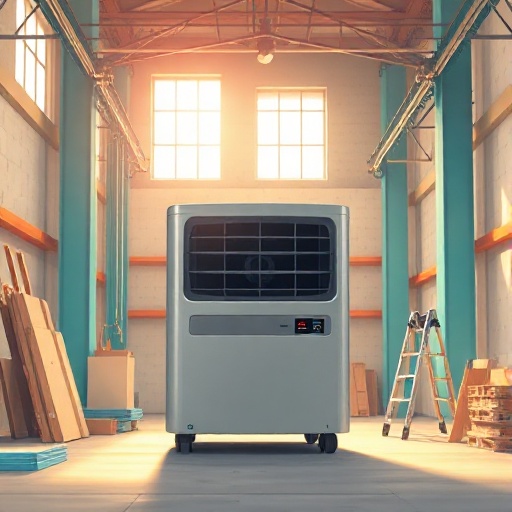
Unexpected flooding from pipe bursts or heavy storms overwhelms standard drainage. Portable commercial dehumidifier units placed on the affected floor extract hundreds of pints quickly and speed the drying process. Technicians position the units to create directed air flow that reaches saturated carpet and drywall. Continuous operation for several days removes residual moisture trapped in construction materials. Early deployment of these units limits mold development and reduces insurance claims related to water damage.
Noise Considerations: Understanding Sound Pressure Levels
Quiet operation matters in relaxation zones. Manufacturers list sound pressure level ratings so buyers can compare models before purchase. Units under 55 decibels blend into background noise and avoid disturbing guests. Technicians install vibration isolators and route ductwork to further reduce transmitted sound. Regular maintenance keeps fans balanced and prevents rattles that raise the overall sound pressure level. Selecting low-noise commercial dehumidifiers protects the tranquil atmosphere that defines the spa experience.
Long-term Maintenance and Troubleshooting Tips
Monthly filter cleaning and annual coil inspections keep any commercial dehumidifier running at peak efficiency. Technicians log pints removed each day to spot performance declines early. When the unit runs longer cycles without reaching setpoint, they check the pump, hose, and sensors for blockages. Replacing worn parts before failure prevents emergency service calls during peak seasons. A documented maintenance schedule also supports warranty claims and extends the life of the entire dehumidification system.