Understanding Girth Weld Procedures for Sustainable Pipeline Construction
Introduction to Girth Weld Procedures
Importance of Girth Welding in Pipeline Construction
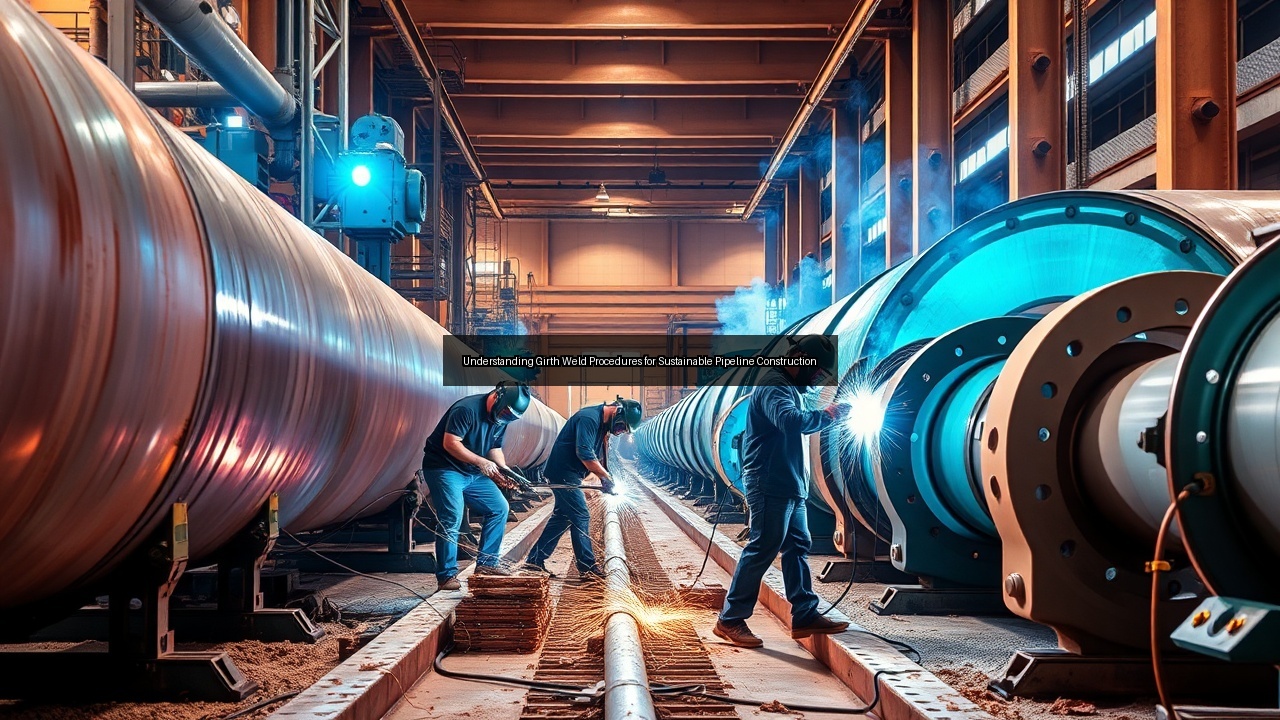
Pipeline girth welding joins sections of pipe end to end to create continuous transmission lines that carry oil, gas, and water across vast distances. This process forms the backbone of modern pipeline construction because every girth weld must withstand internal pressure, external loads, and environmental stresses. Proper pipeline girth welding directly determines whether a project meets safety standards and long-term durability goals. Engineers focus on girth weld procedures to minimize defects that could lead to leaks or ruptures, especially in remote or ecologically sensitive areas. The technique supports sustainable pipeline construction by reducing material waste and enabling faster, more reliable assembly of pipelines. Welder skill and precise control over welding parameters ensure each joint maintains structural integrity. Without robust girth welds, pipelines cannot deliver the performance required for energy transport infrastructure. Companies therefore invest heavily in training and equipment to perfect pipeline girth welding from the first joint to the final tie-in.
Overview of Girth Weld Techniques
Several established methods support pipeline girth welding in construction projects. Traditional arc welding remains common because it works on most steel grades and allows welders to work in varied field conditions. Friction stir welding offers an alternative that produces solid-state joints without melting the base metal, which reduces distortion and improves fatigue resistance. Each technique requires specific parameters for pipe diameter, wall thickness, and material grade. Pipeline girth welding crews select the method based on project scope, access limitations, and required production rates. Root pass quality often dictates overall success, so welders pay close attention to bevel preparation and alignment. Literature on pipeline construction highlights how combining multiple techniques can optimize both speed and strength. Understanding these options helps contractors choose procedures that balance cost, quality, and environmental impact during sustainable pipeline builds.
Key Steps in Girth Weld Procedures
Preparation of the Pipeline and Materials
Successful pipeline girth welding begins with careful preparation of pipe ends and surrounding materials. Crews bevel the pipe edges to create the correct joint geometry, then clean surfaces to remove mill scale, rust, or contaminants that could cause defects. Alignment tools ensure the pipes meet with minimal gap and proper root opening. Material traceability records confirm that each pipe segment matches the specified grade and wall thickness. In sustainable pipeline construction, preparation also includes staging equipment to limit ground disturbance and protect nearby ecosystems. Welders verify consumables such as electrodes or filler wire before starting work. Temperature monitoring starts at this stage because preheating may be necessary to control hydrogen cracking. Thorough preparation reduces repair rates and supports high-quality girth welds that maintain pipeline integrity over decades of service.
Welding Techniques: Traditional vs. Friction Stir Welding
Traditional pipeline girth welding relies on shielded metal arc or gas metal arc processes that deposit molten filler metal into the joint. These methods allow welders to complete multiple passes while controlling heat input. Friction stir welding, by contrast, uses a rotating tool to forge the material in a plastic state without melting it. This solid-state approach produces welds with finer microstructures and fewer porosity issues. Pipeline construction teams compare the two based on equipment availability, welder expertise, and joint performance requirements. Friction stir welding shows particular promise for stainless steel sections where corrosion resistance must remain intact. Both techniques demand strict adherence to qualified procedures that define travel speed, rotation rate, and forge force. The choice affects overall project timelines and the final strength of girth welds in demanding service environments.
Temperature Control and Its Impact on Weld Quality
Temperature management during pipeline girth welding influences microstructure, residual stress, and crack susceptibility. Preheating raises the pipe to a minimum level that slows cooling rates and allows hydrogen to diffuse. Interpass temperature limits prevent excessive heat buildup that could degrade toughness. Post-weld heat treatment may follow for certain high-strength grades to relieve stresses. Friction stir welding generates heat through friction, so operators monitor tool temperature to stay within the optimal plastic flow window. Deviations from specified ranges often produce brittle zones or lack of fusion at the root. Consistent temperature control supports sustainable pipeline construction by lowering the frequency of cut-outs and re-welds. Modern systems use thermocouples and infrared sensors to give welders real-time feedback, ensuring each girth weld meets toughness and hardness criteria required for long-term pipeline reliability.
Welding Inspection and Quality Assurance
Types of Weld Inspections: Visual and Ultrasonic Testing
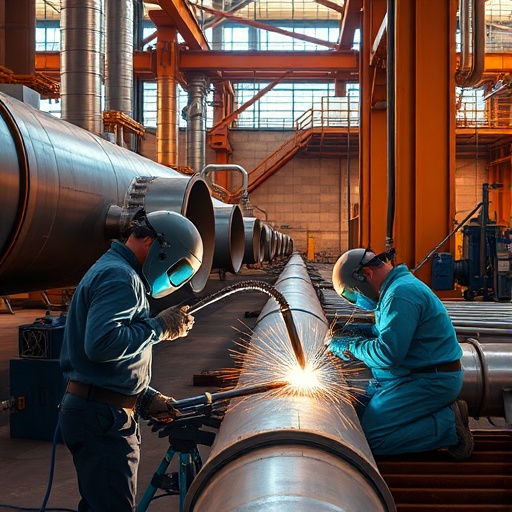
Weld inspection begins with visual examination to confirm proper bead profile, absence of undercut, and complete fusion at the surface. Visual checks catch obvious issues before more advanced methods are applied. Ultrasonic testing then evaluates internal soundness by sending sound waves through the weld and analyzing reflections from any discontinuities. Pipeline girth welding crews use automated ultrasonic systems to scan the full circumference rapidly. These inspections verify that welds meet acceptance criteria for porosity, lack of fusion, and crack-like indications. Combining visual and ultrasonic testing provides a layered approach that increases confidence in joint integrity. Effective weld inspection reduces the risk of in-service failures and supports regulatory compliance during pipeline construction projects.
Non-Destructive Testing Methods for Girth Welds
Non-destructive testing plays a central role in verifying pipeline girth welding quality without damaging the joint. Ultrasonic inspection remains the primary method because it detects volumetric and planar flaws at various depths. Radiographic testing supplements ultrasonic results when code requires film or digital images for record. Magnetic particle and dye penetrant methods locate surface-breaking indications on ferromagnetic materials. Each technique follows qualified procedures that define equipment calibration, scanning patterns, and reporting thresholds. Non-destructive testing data feeds directly into fitness-for-service assessments that confirm the weld will perform under design loads. Consistent application of these methods during construction protects both personnel and the environment by identifying defects before hydrostatic testing or commissioning.
Ensuring Weld Strength and Durability
Strength and durability of girth welds depend on proper procedure qualification, welder performance, and inspection results. Tensile and bend tests on procedure qualification coupons demonstrate that the weld metal and heat-affected zone meet or exceed base metal properties. Charpy impact testing verifies toughness at minimum design temperatures. Pipeline operators track weld strength data throughout construction to confirm consistency across all joints. Durability also requires control of hardness to avoid sulfide stress cracking in sour service. When non-destructive testing and mechanical results align with specifications, the completed pipeline can operate safely for its intended life. This rigorous approach to weld quality directly supports sustainable pipeline construction by minimizing future maintenance and environmental incidents.
Addressing Corrosion and Weldability in Pipeline Construction
Corrosion Resistance: Materials and Coatings
Corrosion threatens pipeline integrity at both the external surface and internal weld zones. Material selection often includes corrosion-resistant alloys such as stainless steel for sections exposed to aggressive fluids. External coatings like fusion-bonded epoxy or three-layer polyethylene systems protect the pipe and girth weld areas from soil and moisture attack. Welders apply compatible filler metals that maintain corrosion resistance across the joint. Cathodic protection systems further reduce corrosion rates on buried pipelines. During sustainable pipeline construction, crews minimize coating damage by using proper handling procedures and field joint coating techniques. Effective corrosion management extends service life and reduces the need for replacement, lowering the overall environmental footprint of the pipeline network.
Factors Affecting Weldability in Different Pipe Materials
Weldability varies with carbon equivalent, alloy content, and wall thickness. High-strength steels require careful preheat and heat input control to prevent cracking. Stainless steel demands attention to interpass temperature to avoid sensitization that reduces corrosion resistance. Plastic-lined or internally coated pipes add constraints on maximum temperature during welding. Friction stir welding can improve weldability for certain grades by eliminating the molten pool and associated defects. Pipeline construction specifications define limits on these factors and require procedure qualification before production welding begins. Understanding material-specific weldability helps engineers select processes that produce sound girth welds while meeting project schedules and sustainability targets.
Conclusion and Future Trends in Girth Welding
Emerging Technologies in Pipeline Girth Welding
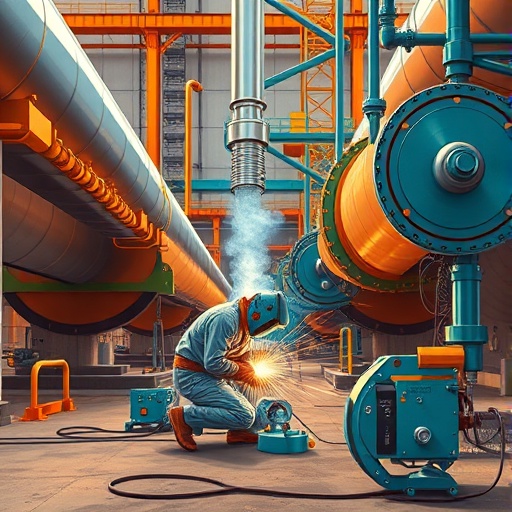
New technologies continue to advance pipeline girth welding capabilities. Automated welding systems equipped with real-time monitoring improve consistency and reduce welder fatigue. Advanced ultrasonic inspection tools now provide volumetric imaging that detects smaller flaws than previous generations. Friction stir welding equipment designed for field use expands the range of applications where solid-state joining offers advantages. Research into hybrid processes that combine arc and laser energy promises higher speeds without sacrificing quality. These developments support sustainable pipeline construction by shortening project durations and lowering defect rates. Continued investment in training and qualification ensures welders and inspectors can leverage the new tools effectively across diverse pipeline projects.
Sustainable Practices in Pipeline Construction
Sustainable pipeline construction integrates environmental protection with technical excellence in girth welding. Reduced excavation footprints, recycled steel use, and minimized emissions from welding equipment all contribute to lower project impact. Optimized procedures that decrease cut-out rates conserve materials and energy. Non-destructive testing combined with data analytics helps prioritize maintenance and extend asset life. Pipeline operators also explore alternative materials and joining methods that further reduce carbon intensity. By focusing on high-quality pipeline girth welding from planning through commissioning, the industry delivers infrastructure that meets energy needs while protecting ecosystems and communities for generations.